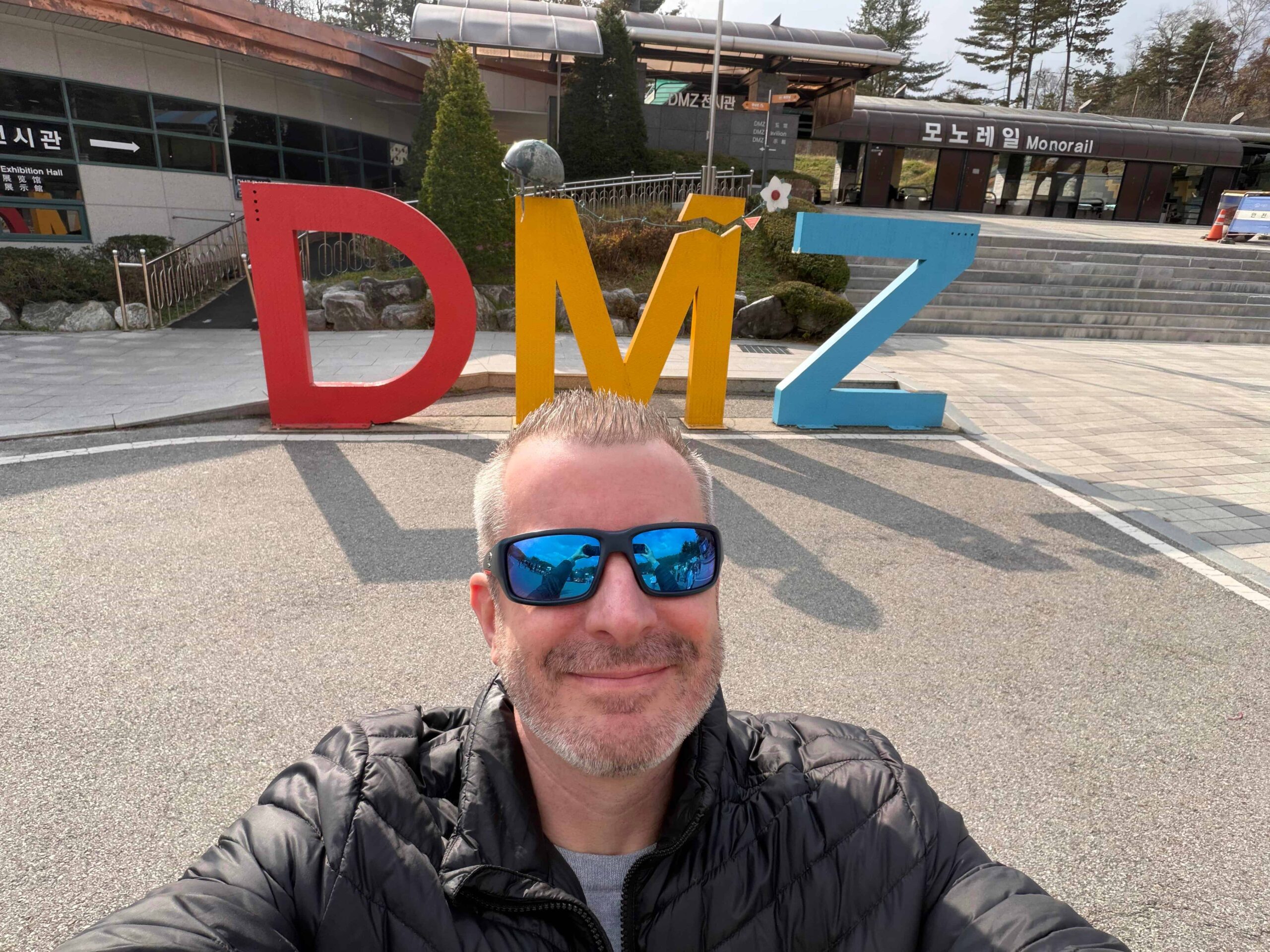
If you’re planning a trip to South Korea, one of the most unique and eye-opening experiences you can have is visiting the Korean Demilitarized Zone (DMZ). It’s not just a border, but a symbol of conflict and a living piece of history. In this guide, I’ll walk you through what to expect, tips for visiting, and why taking a DMZ tour from Seoul should be at the top of your travel itinerary.
Visiting the DMZ is one of the most powerful and educational adventures you can have while in South Korea. The border separates two nations that are technically still at war and very few travel experiences can match what it’s like to actually be there.
What is the DMZ?
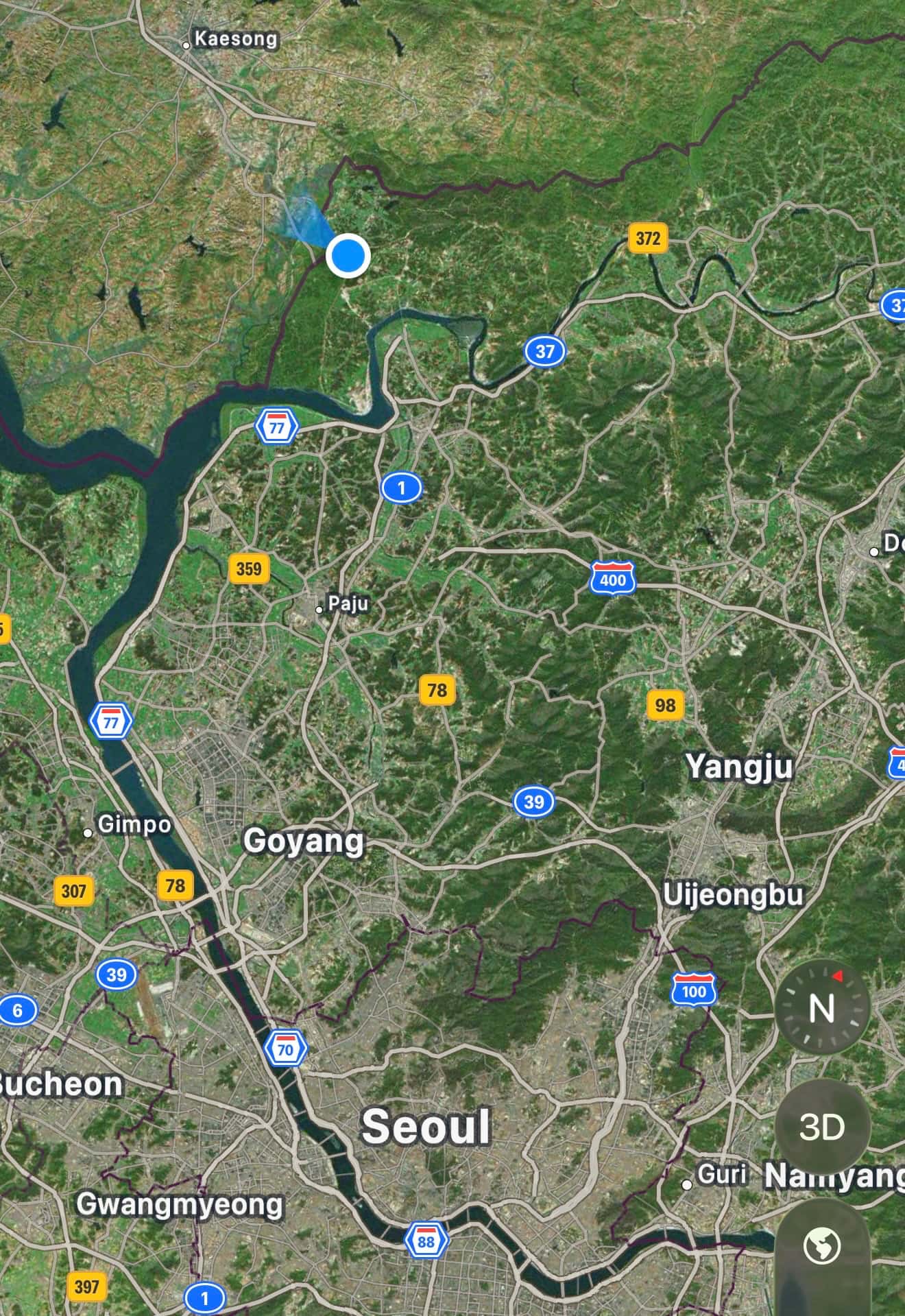
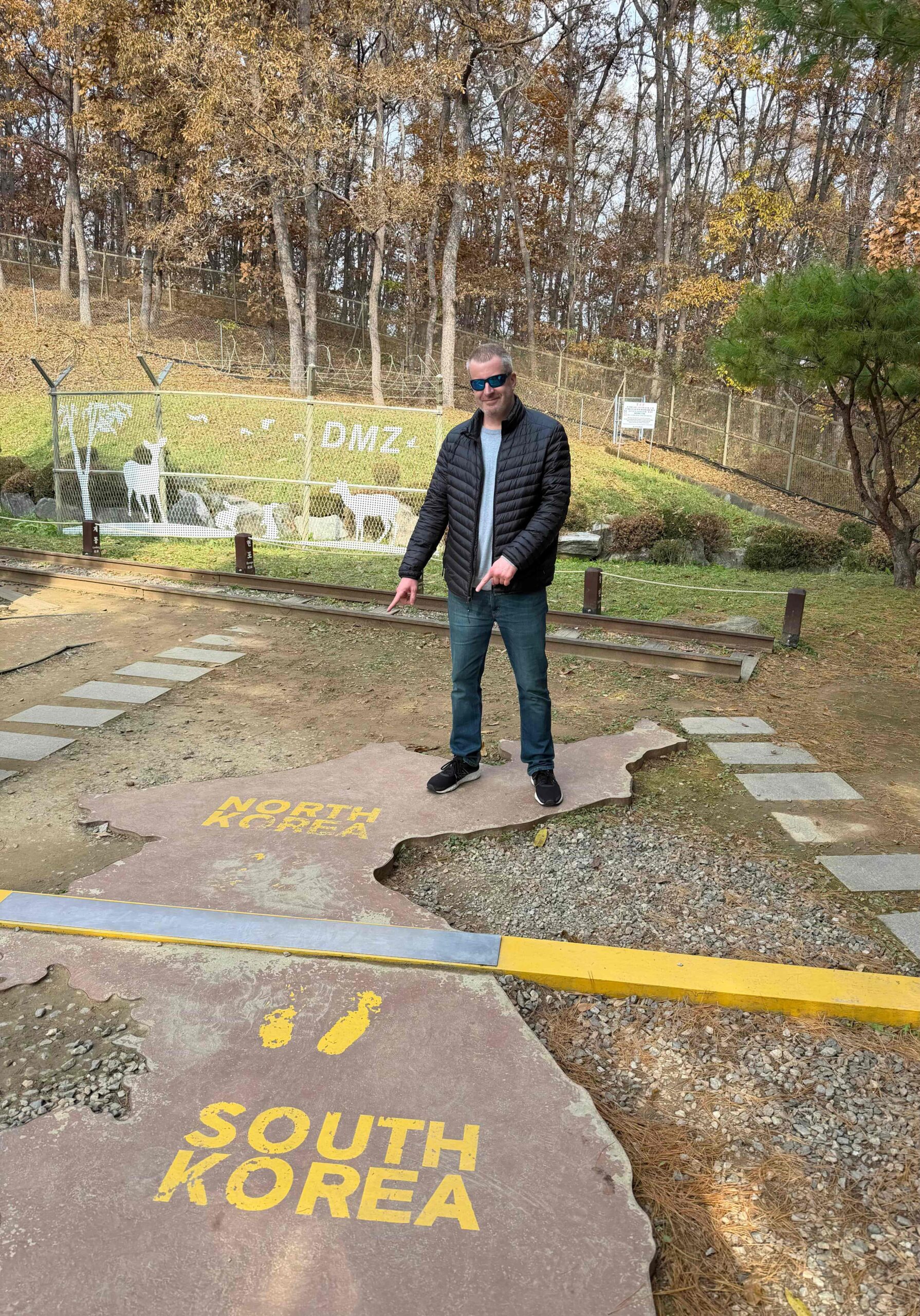
The Korean Demilitarized Zone is a heavily fortified buffer zone that separates North and South Korea. Established in 1953, it stretches about 160 miles across the Korean Peninsula. Despite the name, the DMZ is actually one of the most militarized borders in the world. Today, it has become a popular tourist destination, offering visitors a rare glimpse into one of the most tense geopolitical situations on Earth.
Is the DMZ Safe?
Yes, DMZ tours are considered safe when conducted through authorized tour operators. The areas open to tourists are carefully monitored and military personnel are present at all times.
Why Take a DMZ Tour?
A DMZ tour is more than just sightseeing—it’s an educational and emotional journey. Here’s why it’s worth the visit:
- Historical Insight: Learn about the Korean War, Cold War tensions, and ongoing relations between North and South Korea.
- Unique Access: Visit places that are otherwise restricted, including tunnels and observation points.
- Cultural Perspective: Gain a deeper understanding of Korean identity and division.
- Wildlife Abundance: The DMZ has become a sanctuary for rare plants and animals due to limited human activity.
Best Time to Visit the DMZ
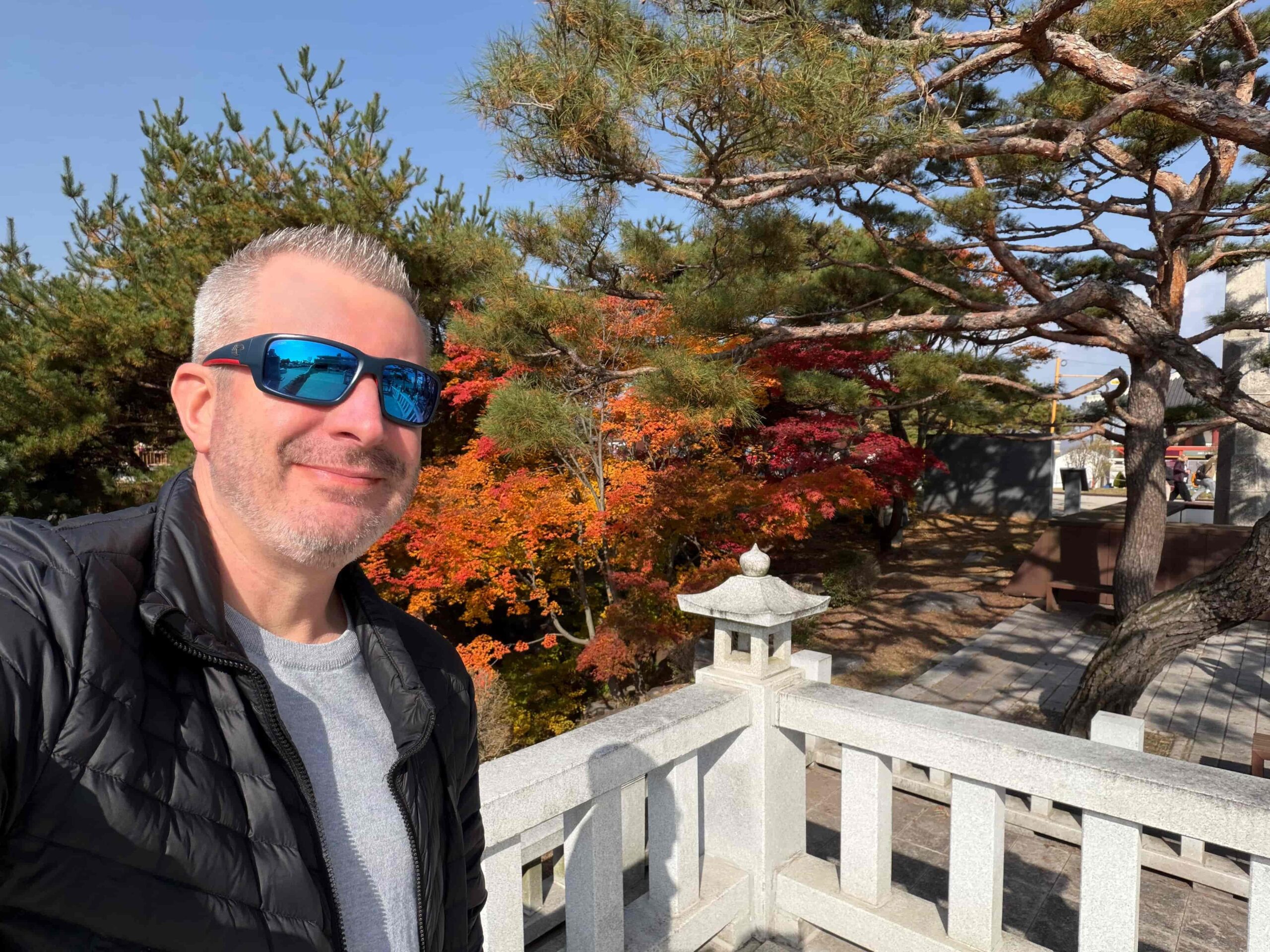
The best time to take a DMZ tour is during spring (April–June) or fall (September–November), when the weather is mild and visibility is good. Winter tours are also possible, but it can get very cold near the border.
Spring and fall are the best times to visit, offering mild weather and clear views across the border. Summer can be hot and humid, while winter brings cold temperatures but fewer crowds.
What to Expect on a DMZ Tour
Most DMZ tours begin early in the morning departing from Seoul and heading north toward the border. As you leave the busy city behind, the atmosphere shifts. Security checkpoints become more frequent and a sense of tension quietly builds.
Your guide, who is often knowledgeable in both history and politics will explain the origins of the DMZ and give lots of insight on each stop of the tour.
Travel Tips for Your DMZ Visit
- Bring your passport: Entry into the DMZ requires valid identification.
- Dress appropriately: Avoid ripped jeans, tank tops, or anything too casual; certain areas have strict dress codes.
- Follow the rules: Photography and movement are sometimes restricted-listen closely to your guide.
- Book in advance: Tours can fill up quickly, especially during peak travel seasons.
Key Stops Along the Tour
Imjingak Park
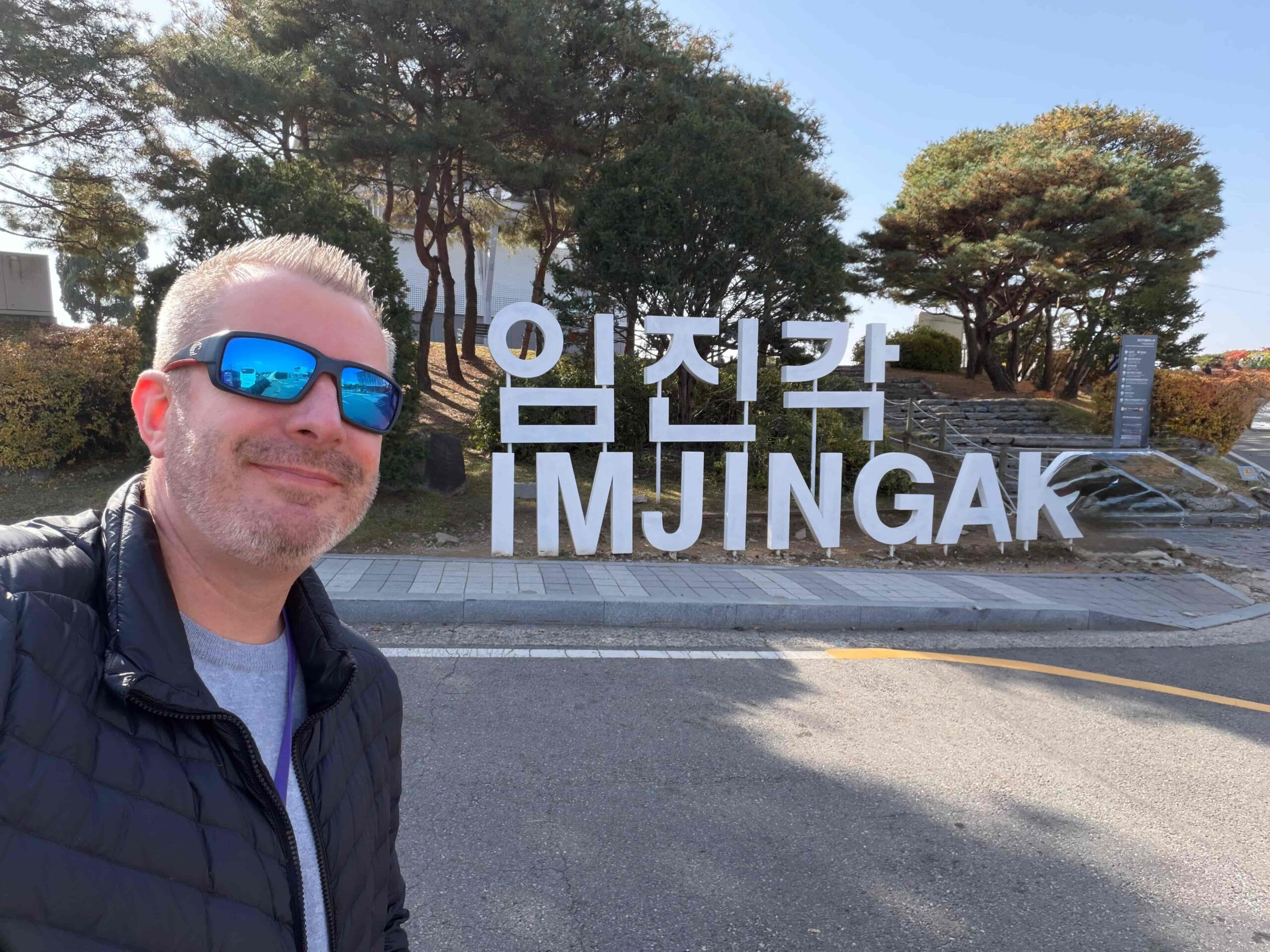
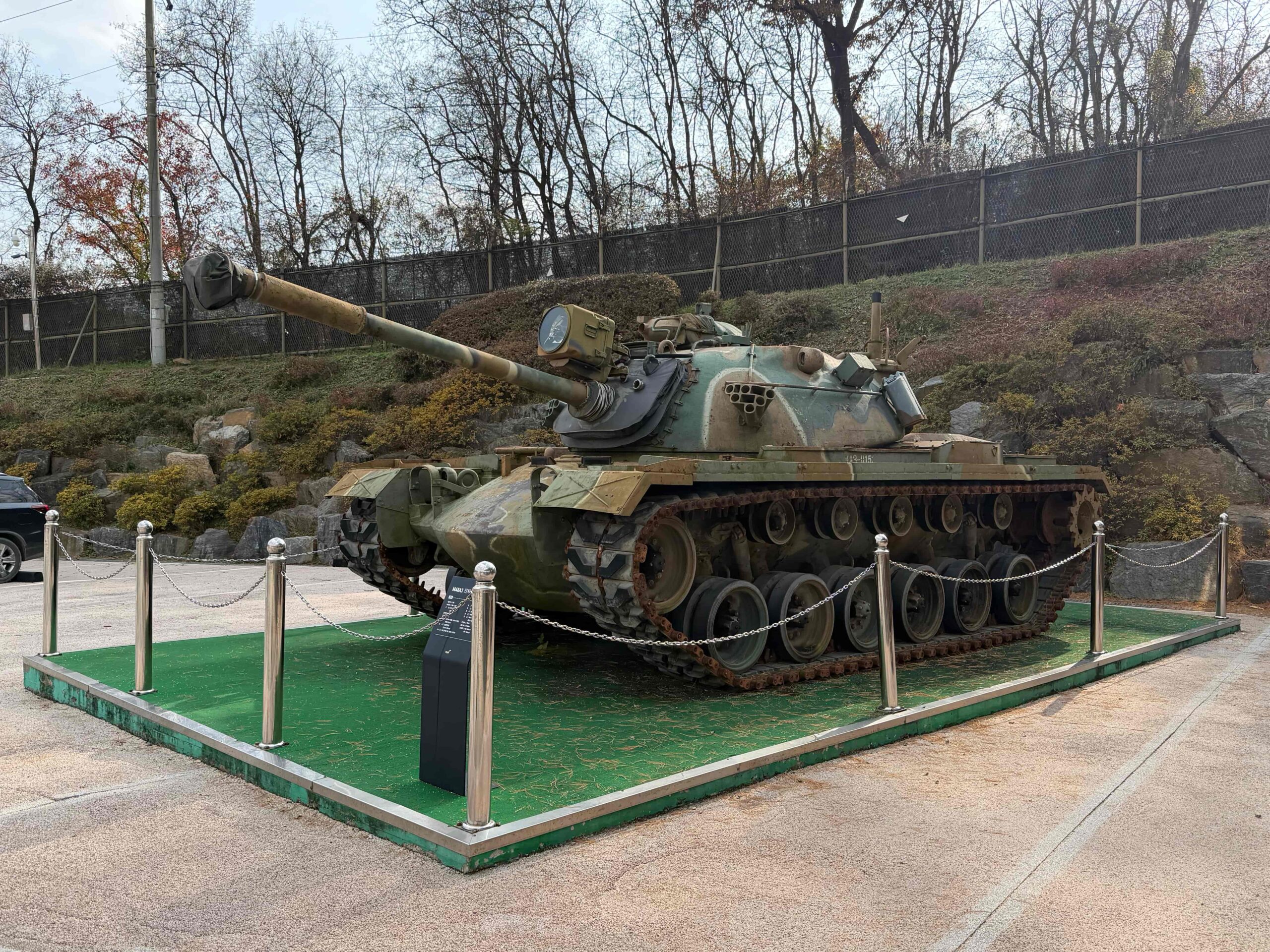
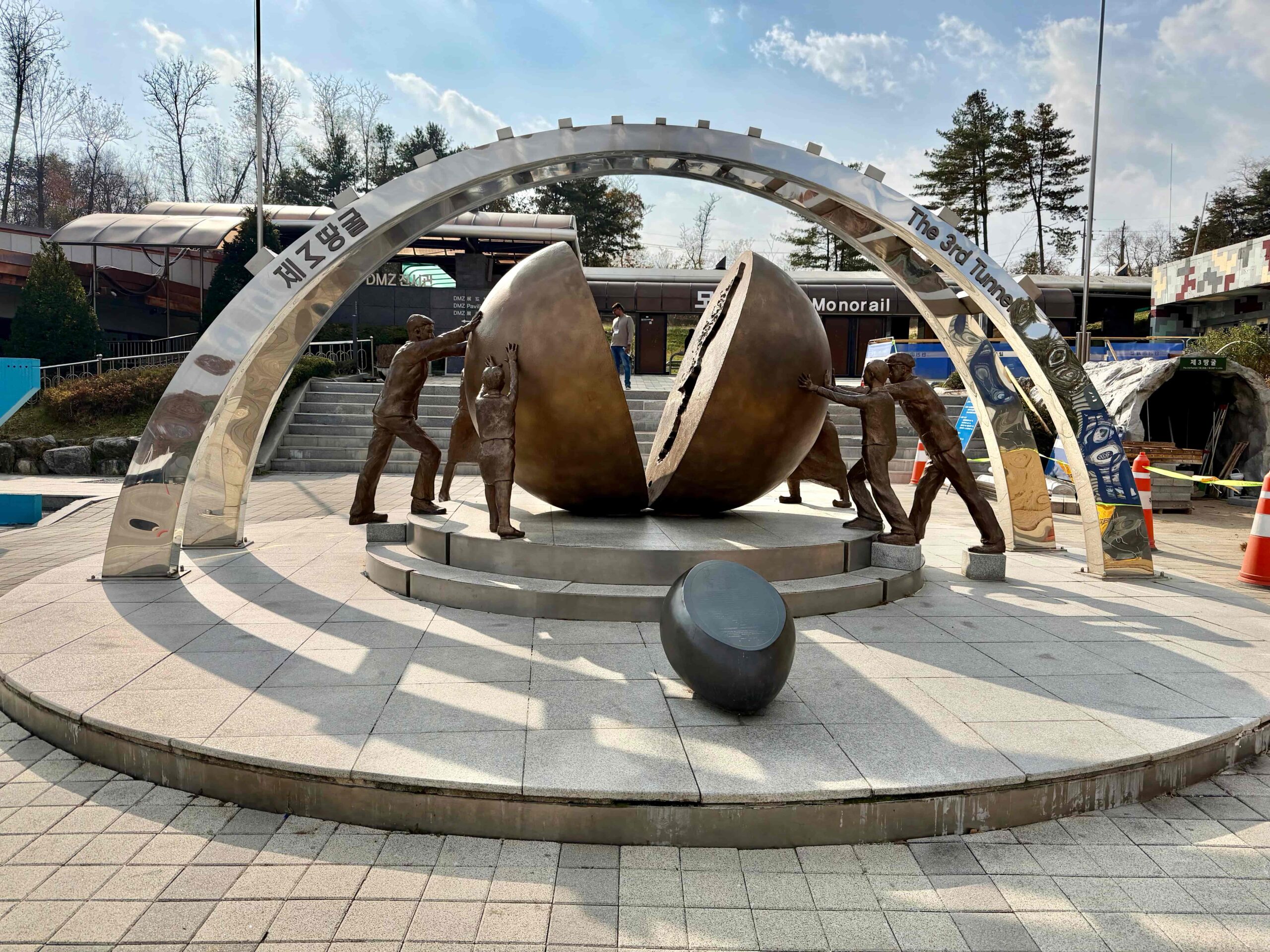
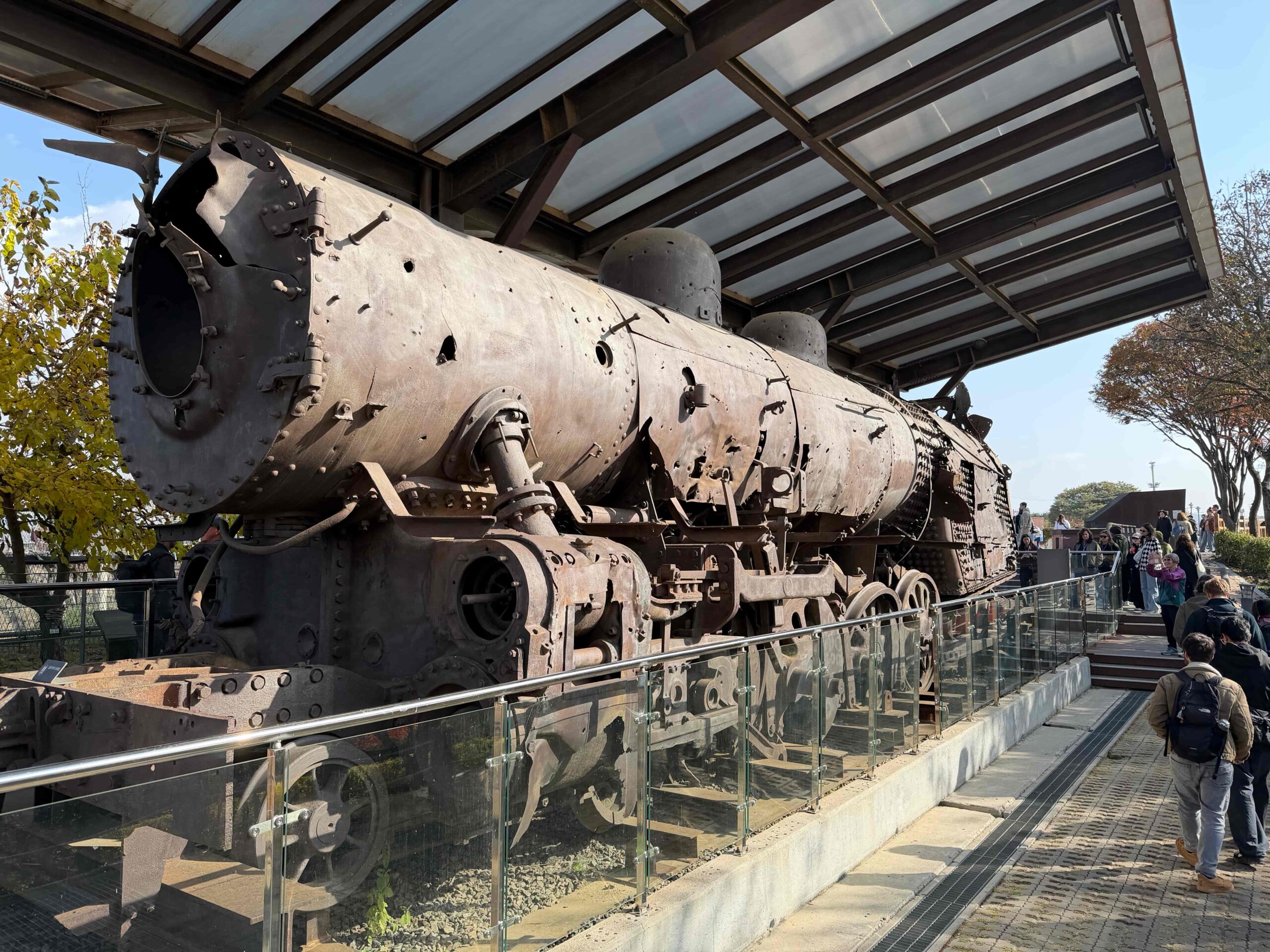
Imjingak Park is usually one of the first stops. Here, you will see artillery and war relics from the Korean War and the historic Freedom Bridge. Nearly 13,000 Korean prisoners of war crossed this bridge back into South Korea after the conflict. The park is also filled with various artistic sculptures and monuments. There are many tour buses here, so take note of your bus (color, license plate number) to make sure you can find it again.
The Third Infiltration Tunnel
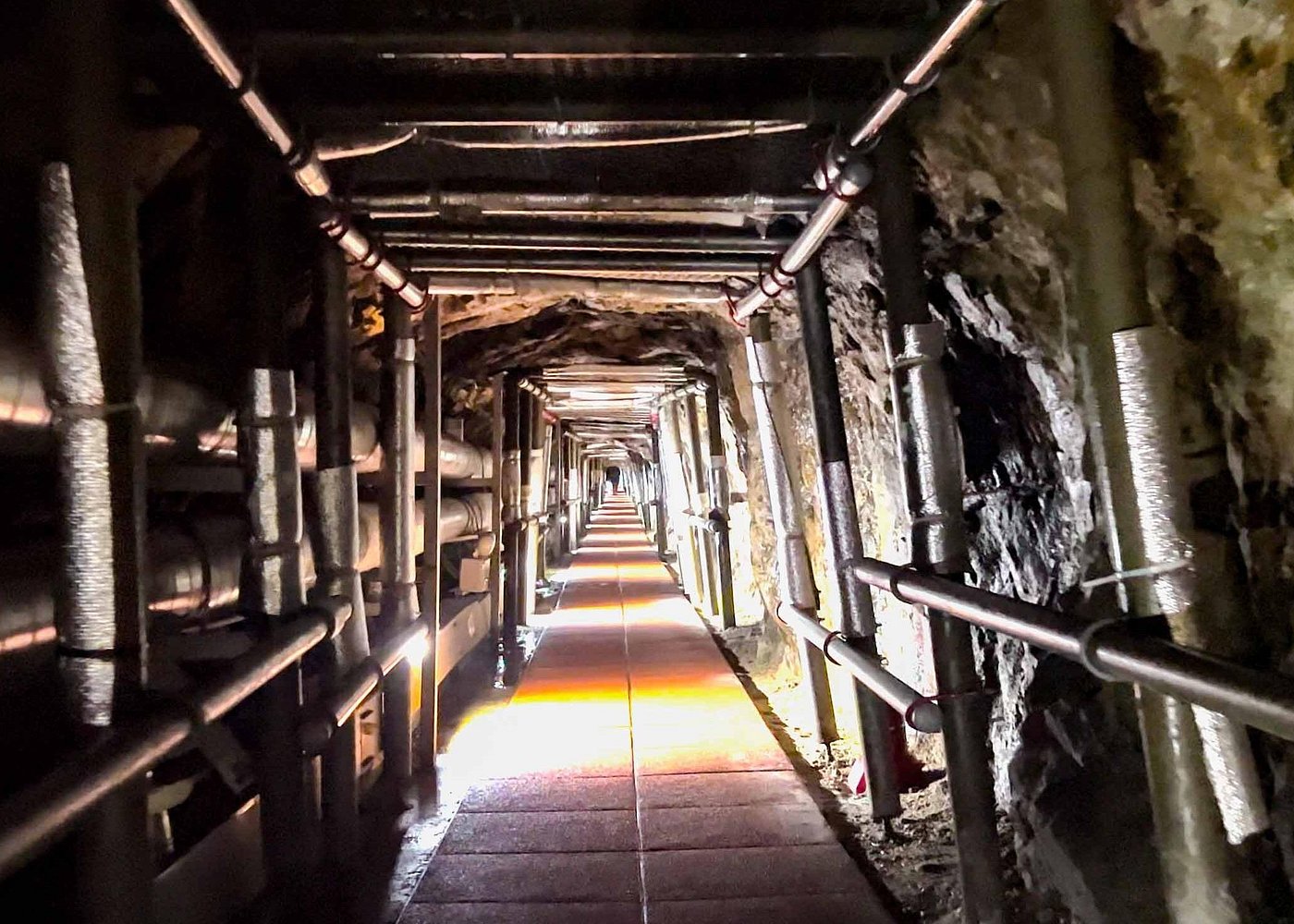
One of the most memorable stops of the tour and my favorite is the Third Infiltration Tunnel. Visitors can walk down a steep passage into the tunnel, which was allegedly built by North Korea as a route for invasion. It’s very narrow and dimly lit, but definitely worth checking out. The experience is unforgettable. They make you wear a hard hat which is definitely needed if you’re tall. I would have hit my head so many times without it.
Dora Observatory
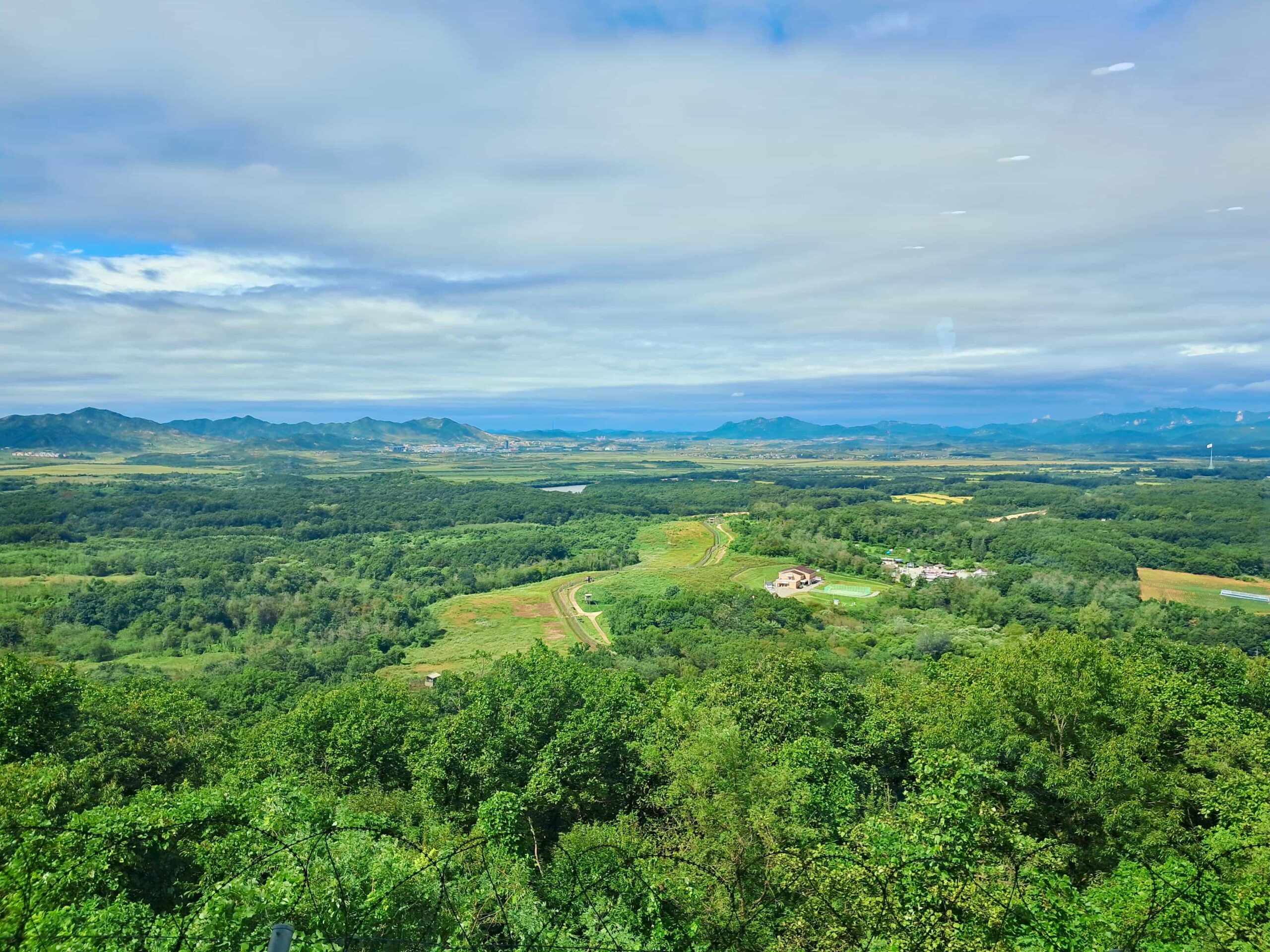
From this observatory, you can look directly into North Korea. The closest visible city is Kijŏng-dong. It appears to be a thriving city with bright buildings, but is actually an uninhabited “fake” city. It was built to lure South Koreans to defect and project an image of a prosperous, modern socialist paradise to the outside world. On clear days, you can also see the city of Kaesong.
Dorasan Station
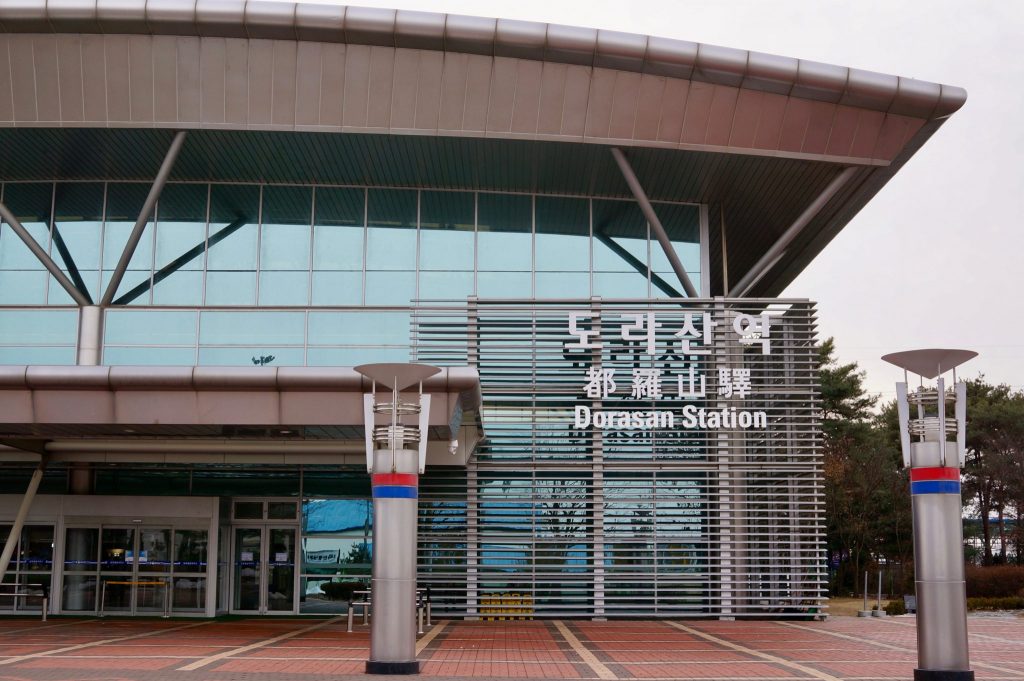
This station stands as a symbol of hope. Though trains currently don’t cross the border, the station is fully operational and ready for the day reunification becomes reality. Signs pointing to Pyongyang serve as a reminder of what could be.
Joint Security Area (JSA)
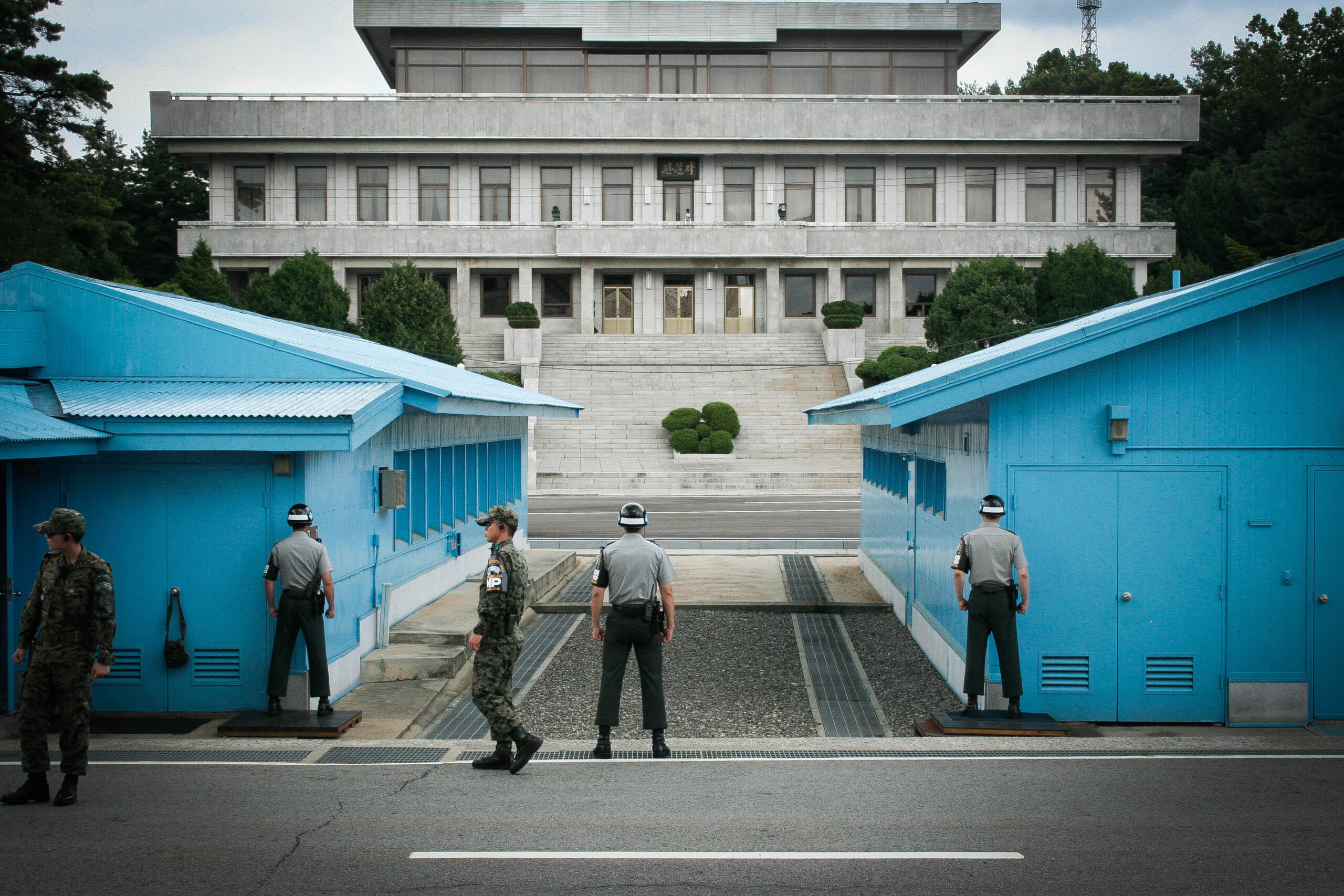
The highlight for many visitors (used to be) the Joint Security Area. This is where North and South Korean soldiers stand face-to-face and where negotiations would take place.
Note ** The JSA is closed to the general public and tourists as of early 2026. Following a suspension in July 2023 after a U.S. soldier crossed the border, tours for government personnel were briefly attempted in late 2023. They were quickly suspended again and there is no confirmed reopening date for standard tourist visits.
Final Thoughts

Taking a DMZ tour is one of the most unforgettable experiences you can have in South Korea. It’s a chance to step into one of the most fascinating and complex regions on Earth. Whether you’re a history buff, a curious traveler, or just someone looking for a unique adventure, the DMZ offers something truly extraordinary.